Modular Solutions•February 2, 2026•7 min read
Modular Kitchens vs. Custom Carpentry: Why Engineered Modules Redefine Home Living
Understand the distinct advantages of factory-engineered modular cabinetry modules over conventional carpenter work for modern homes in Gujarat.
MV
Meet Vaghasia
Co-Founder & Project Lead • ArcSyn Interiors
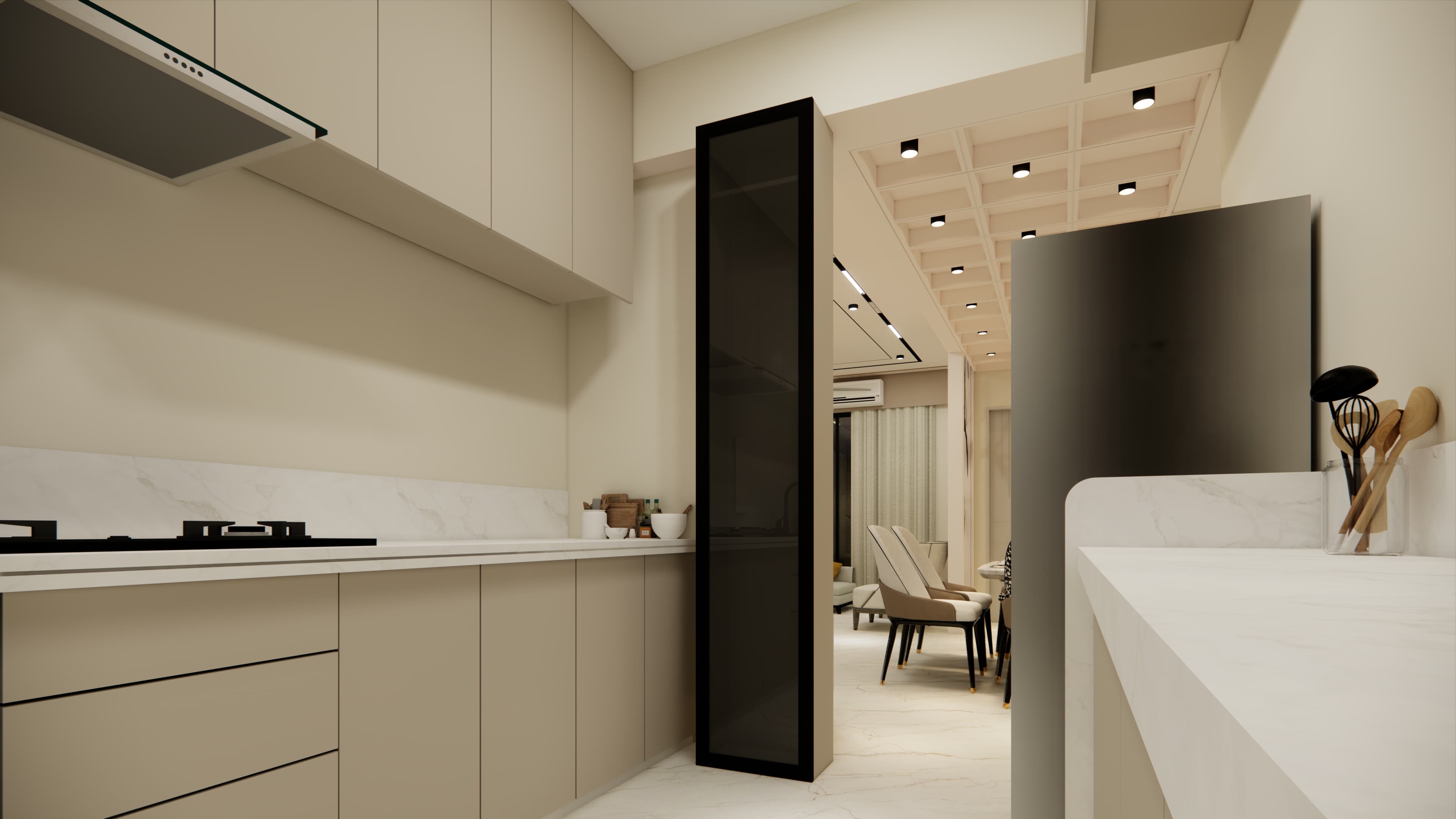
When embarking on a residential renovation or new home construction, the kitchen is invariably the highest-traffic zone. One of the most common dilemmas clients face is choosing between factory-engineered modular modules and traditional on-site carpenter carpentry.
What Makes "Modular" Different? In interior design, "modules" refer to standardized, precision-manufactured cabinet units designed to optimize storage, durability, and ergonomics. Unlike on-site carpentry where wood is cut manually, modular units are engineered using computer numerical control (CNC) machines, ensuring millimeter-level precision and edge-banding that resists steam and moisture.
Key Comparisons: Modules vs. Traditional Carpentry
- 01Finish & Longevity:
- 02Hardware Integration:
- 03Timeline & Site Cleanliness:
Designing the "Golden Work Triangle" Whether you select an L-shaped, U-shaped, or parallel modular layout, prioritizing the ergonomic Golden Triangle (Refrigerator, Sink, and Hob) ensures effortless culinary efficiency. At ArcSyn Interiors, our turnkey modular kitchen packages blend seamless quartz countertops, back-painted glass splashbacks, and under-cabinet warm LED lighting.
Related Topics & Keywords
#Modular Kitchen#Interior Modules#Custom Woodwork#Kitchen Ergonomics#Cabinetry
MV
Written by Meet Vaghasia
Co-Founder & Project Lead, ArcSyn Interiors
Combining refined spatial planning expertise with contemporary luxury interior aesthetics. Based in Gujarat, crafting bespoke homes, modular kitchens, and corporate spaces.
View Profile & Portfolio